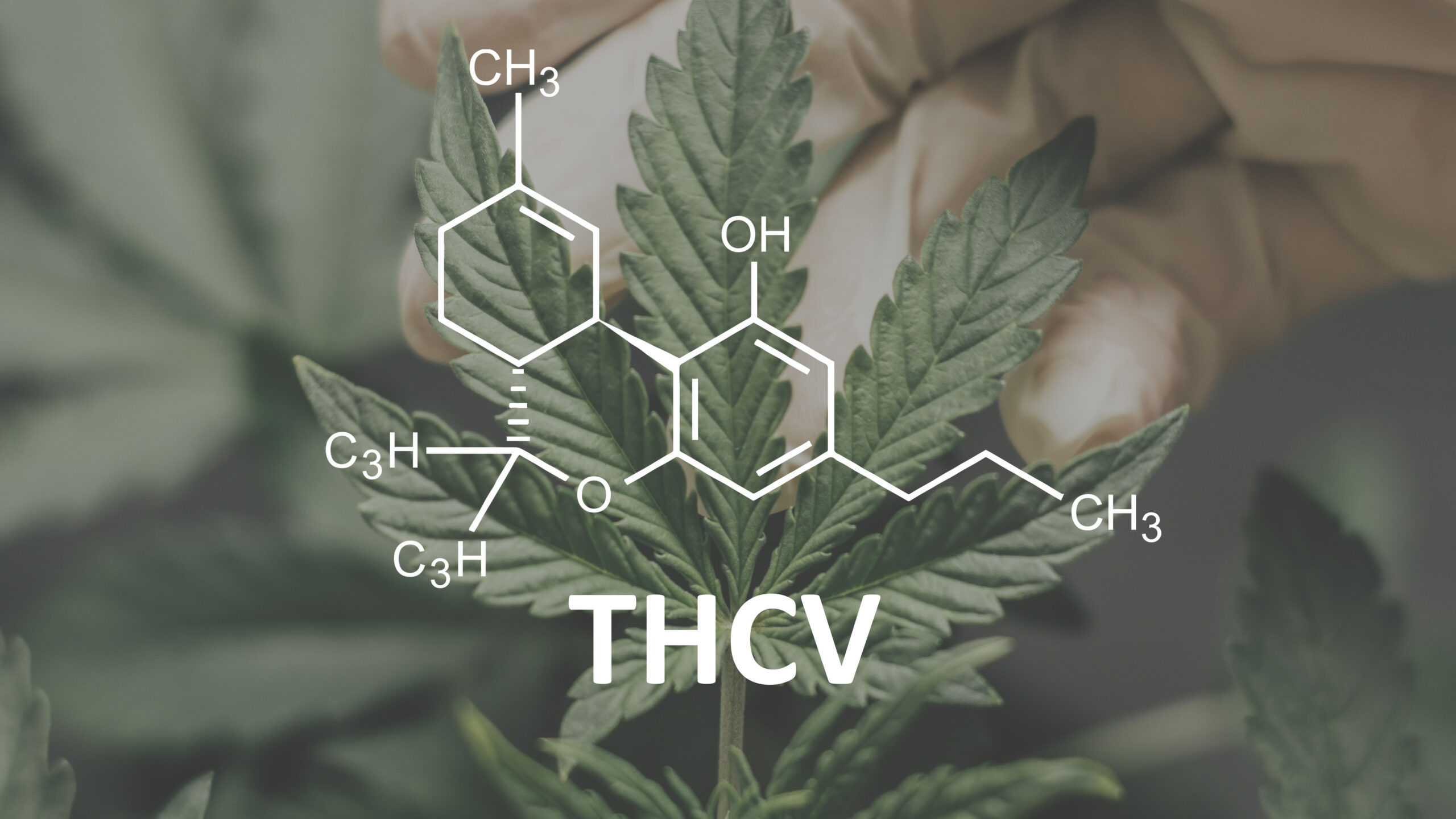
Move over THC and CBD, there’s a new cannabinoid catching attention for its unique effects and growing hype: THCV, or tetrahydrocannabivarin.
Often nicknamed “diet weed” or the energy cannabinoid, THCV is quickly becoming one of the most exciting compounds in cannabis today.
What is THCV?
THCV is a naturally occurring cannabinoid found in small amounts in certain cannabis strains, particularly sativas. Structurally, it’s similar to THC, but its effects are quite different.

At low doses, THCV may actually block some of THC’s psychoactive effects, while at higher doses it can produce a mild, short-lived high.
This dual behavior makes THCV one of the most unique cannabinoids currently being explored.
Why is THCV Trending?
THCV is gaining popularity because it offers something many cannabis users want but rarely get: clarity and energy.
Instead of the heavy, relaxing effects associated with THC, THCV is often described as:
- Clear-headed
- Uplifting
- Focus-enhancing
This makes it especially appealing for daytime use, productivity, and social settings.

Potential Benefits of THCV
While research is still emerging, THCV is being studied for several promising effects:
- Appetite suppression – Unlike THC, THCV may reduce hunger
- Energy and focus – Often reported as stimulating and motivating
- Metabolic support – Early research suggests potential for insulin regulation
- Bone health – Being explored for its role in bone growth
Additionally, cannabinoids like THCV may play a role in inflammation and overall body regulation, though more studies are needed.
How THCV Works in the Body
THCV interacts with the endocannabinoid system in a different way than THC.
At lower doses, it can act as a CB1 receptor antagonist, meaning it may reduce some of THC’s effects. At higher doses, it may switch roles and activate those same receptors.

This “dose-dependent” behavior is part of what makes THCV so interesting from both a consumer and scientific perspective.
What to Expect from THCV Products
Because THCV occurs in very small amounts naturally, it’s often found in:
- Specialized vape cartridges
- Extracts and concentrates
- Formulated edibles
It’s also becoming more common in functional cannabis products designed for energy, focus, and daytime use.

The Bottom Line
THCV represents a new direction for cannabis, one focused on performance rather than relaxation.
For consumers looking to stay sharp, productive, and uplifted, THCV offers a completely different experience from traditional THC-heavy products.
As interest grows and research expands, THCV is shaping up to be one of the most important cannabinoids to watch.