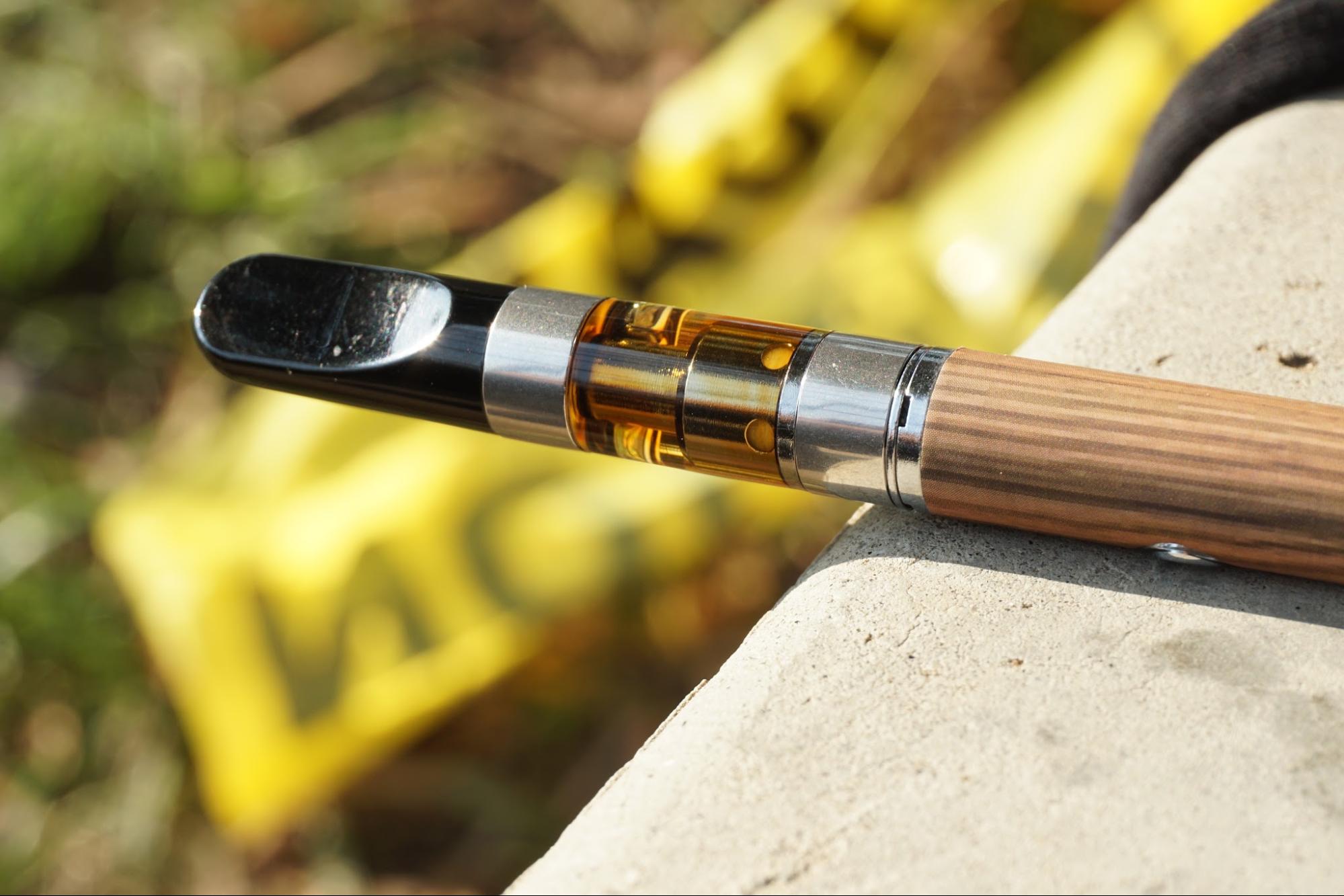
There’s still oil in your THC cart, but you’re getting little or no vapour. It’s tempting to blame a clog, especially if the draw feels tight. But a battery or connection problem can also stop a cart from working, and the fix for one won’t necessarily help the other.
If you’ve had this problem with cannabis vape pens in Toronto, we’ll break down how to tell an airflow blockage from a power problem, what the warning lights can tell you, and when it’s time to contact the retailer. Removable cartridges, pods and disposables aren’t all built the same way, so we’ll also explain why a fix meant for one device may be a bad idea for another. Knowing the difference helps you avoid poking around inside a cartridge when the problem is actually the battery.
Is Your THC Cart Clogged or Is It a Battery Problem?
Think back to what happened when the problem started. If drawing through the mouthpiece suddenly felt much harder, something may be blocking the airflow. If air passed through normally but there was no vapour, the battery, electrical connection or heating element could be responsible. The heating element is the part that warms the oil. It needs power even when the cartridge still contains plenty of oil.
| What’s happening | Possible cause | What to check |
|---|---|---|
| The draw feels blocked | Residue or oil in the airway | Visible mouthpiece residue or damage |
| Air passes through, but no vapour | Battery, connection or heater fault | Charge, controls and connection |
| The light flashes or shows an error | A model-specific warning | The meaning in that device’s manual |
| No oil appears to remain | An empty cartridge | Confirm the visible oil level |
A flashing light is another clue, but its meaning depends on the device. One model may flash because it needs charging; another may be signalling a connection problem. Check the exact colour and flash pattern against your model’s instructions. A light coming on tells you the device is responding, but it doesn’t prove that the cartridge is heating properly.
Keep the device type in mind as well. A removable cartridge has a separate battery and connection you may be able to inspect. A sealed disposable combines those parts inside one unit. A troubleshooting tip that involves unscrewing a cartridge therefore won’t apply to every vape. Leave sealed parts intact, and use the instructions for the model you actually have.
Also note whether it failed straight out of the package or stopped after working normally. Tell the retailer if the cart has never produced vapour, or if the draw became blocked after it was left somewhere hot or cold. If you changed the battery or cartridge just before the fault appeared, mention that too.
Why THC Vape Cartridges Clog
Oil or sticky residue can collect in the mouthpiece or airway and make the draw feel blocked. Temperature changes can contribute to this. Cold oil becomes thicker, while heat makes it runnier. If warm oil moves into the airway and then cools, it can leave a blockage. That’s one reason a cartridge may develop a problem after being left in a hot car or exposed to cold.
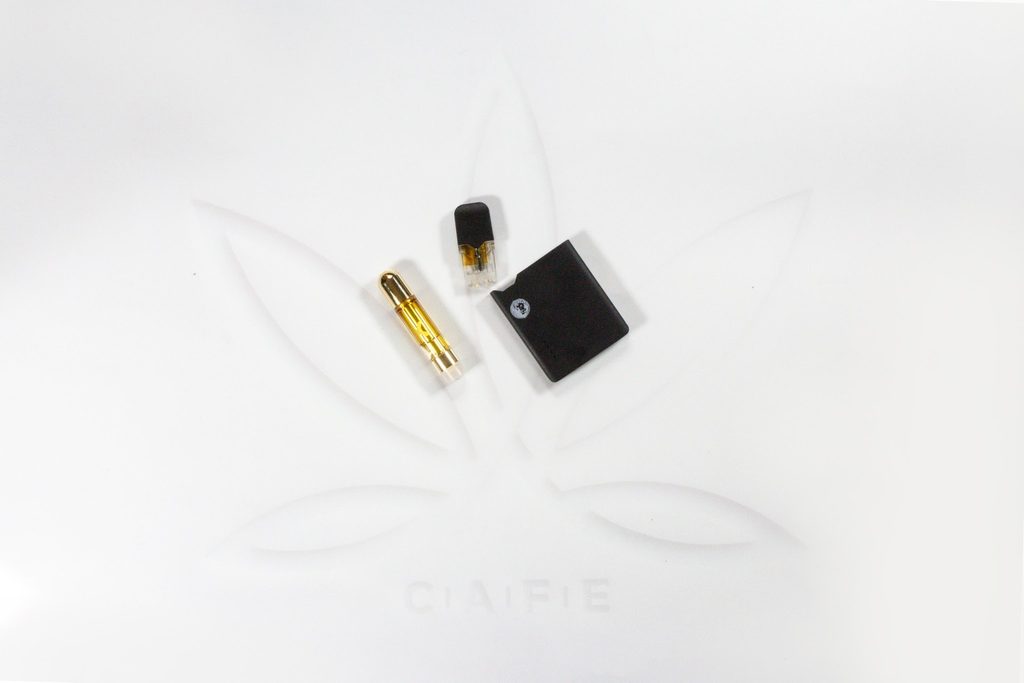
For an intact cartridge that’s simply cold, let it return to room temperature naturally. Look at the outside of the mouthpiece for visible residue and follow the manufacturer’s cleaning instructions. Keep cleaning to the accessible surfaces the manufacturer identifies. A pin or paperclip pushed into the airway can damage internal parts, even if it seems like a quick way to remove a blockage.
Avoid adding heat with a hairdryer, radiator, microwave, hot water or flame. Pouring alcohol, water or another liquid into the cartridge is also a bad idea. Extreme heat can damage the seals or battery, while added liquid can contaminate the contents. If your device has a built-in preheat feature, check its own instructions before using it; a setting on one battery isn’t a universal fix for every cartridge.
If the draw stays blocked after the manufacturer’s recommended checks, leave it alone and contact the retailer or manufacturer. The same applies if the blockage keeps coming back. Repeated heating or pulling harder can move more oil into the airway, while a damaged seal or other hardware fault may need assessment rather than another attempt to clear it.
What to Check When the Battery Won’t Work
When airflow seems normal, check whether the battery is switched on or locked. Some devices use a button, while others activate automatically. Use the controls described for your model instead of trying a button sequence you remember from a different pen. A lock setting can make a working device seem unresponsive.
If it’s a rechargeable model, check its charging instructions and use the specified equipment. Health Canada’s battery-safety advice recommends charging at room temperature, where you can see the device and away from soft surfaces such as beds or couches that trap heat. Keep to the recommended charging time. A device that isn’t designed to recharge should never be modified to accept a charger.
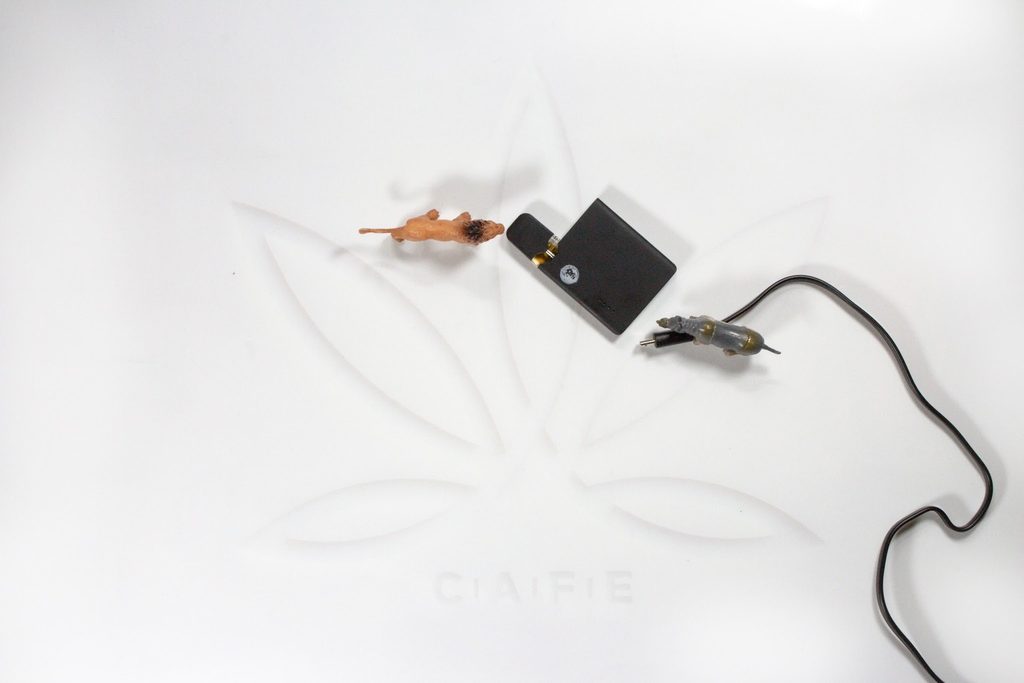
With a removable cartridge, inspect the exposed connection only as directed by the manufacturer. Residue around the connection may need cleaning, but the method should suit that hardware. Let any cleaned surfaces dry fully before putting the parts back together. Avoid overtightening the cartridge or trying to lift, bend or adjust the electrical contacts.
If the battery indicates that it’s charged but the cart still won’t work, describe that exact behaviour when you contact support. “The light flashes three times, airflow feels normal and there’s oil left” is more useful than “it’s clogged.” It helps distinguish a possible electrical fault from an airflow complaint without guessing which part has failed.
When to Stop Troubleshooting Your Vape
Visible damage changes the situation. A cracked cartridge, leaking oil or a damaged battery needs assessment, even if the device still lights up. Having oil left is a reason to ask about the fault, not a reason to keep using damaged hardware.
Stop using the device if you notice:
- Cracked glass, a loose mouthpiece or substantial leakage.
- A swollen, dented, wet or unusually hot battery.
- Unexpected activation, hissing or an unusual burnt or chemical smell.
- A recurring blockage or error that remains after the manufacturer’s recommended checks.
Stop charging a battery that appears damaged and ask for handling advice before bringing it into a store. Tell the retailer about heat, leakage or swelling when you make contact. If disposal is necessary, follow local guidance for batteries and vaping devices rather than putting a damaged battery in an ordinary bin.
You also don’t need to keep repeating a check that changes nothing. A cart that works briefly and then blocks again, or a battery that keeps showing the same error, gives you a repeatable problem to report. Keep the device intact and explain what happened. That is more useful for assessing the fault than taking it apart to see what might be wrong.
Storage Habits That Help Protect Your Cartridge
Heat, cold and storage position can all affect where oil ends up inside a cartridge. Follow the producer’s storage directions and keep the device away from direct sunlight, radiators and parked cars. A stable indoor location is a better choice than somewhere that swings between very hot and very cold.
Upright storage can reduce the chance of oil collecting in the airway or mouthpiece. If your cartridge came with protective caps, keep them for storage and transport. They help protect exposed openings from dust and debris, but they won’t prevent heat damage. Carry the device in a case that protects the mouthpiece and connection from being knocked around.
Check the device before charging if it has been exposed to moisture or an extreme temperature. Let it return to room temperature naturally and look for damage. Keep the product instructions and packaging until the cartridge is finished, especially if a fault has already appeared; they identify the hardware and purchase details you may need for support.
Get Help With a Faulty Vape at CAFE
If a vape you bought from us has stopped working, keep the receipt and original packaging and contact us promptly. Our returns and exchange policy covers vapes that appear to have a manufacturing defect, subject to conditions. Eligible products must have no physical damage, at least 50% of the distillate remaining, and be returned within 15 days to the original store with the itemized receipt. The available outcomes are exchange or store credit, not a refund.
Other issues can be assessed by in-store management, so a clog by itself doesn’t automatically qualify for an exchange. For an online purchase, keep your email receipt; exchanges aren’t processed online. Call our customer service on 1-800-551-2965 with the product name, battery model, purchase date and a short description of the problem. If it’s leaking or the battery looks damaged, ask how to handle it before bringing it in.
At I Am Cafe, we can help you with a faulty vape bought from us. Call with your receipt, packaging and a clear description of the problem, and we’ll explain the next step for having it assessed in store.