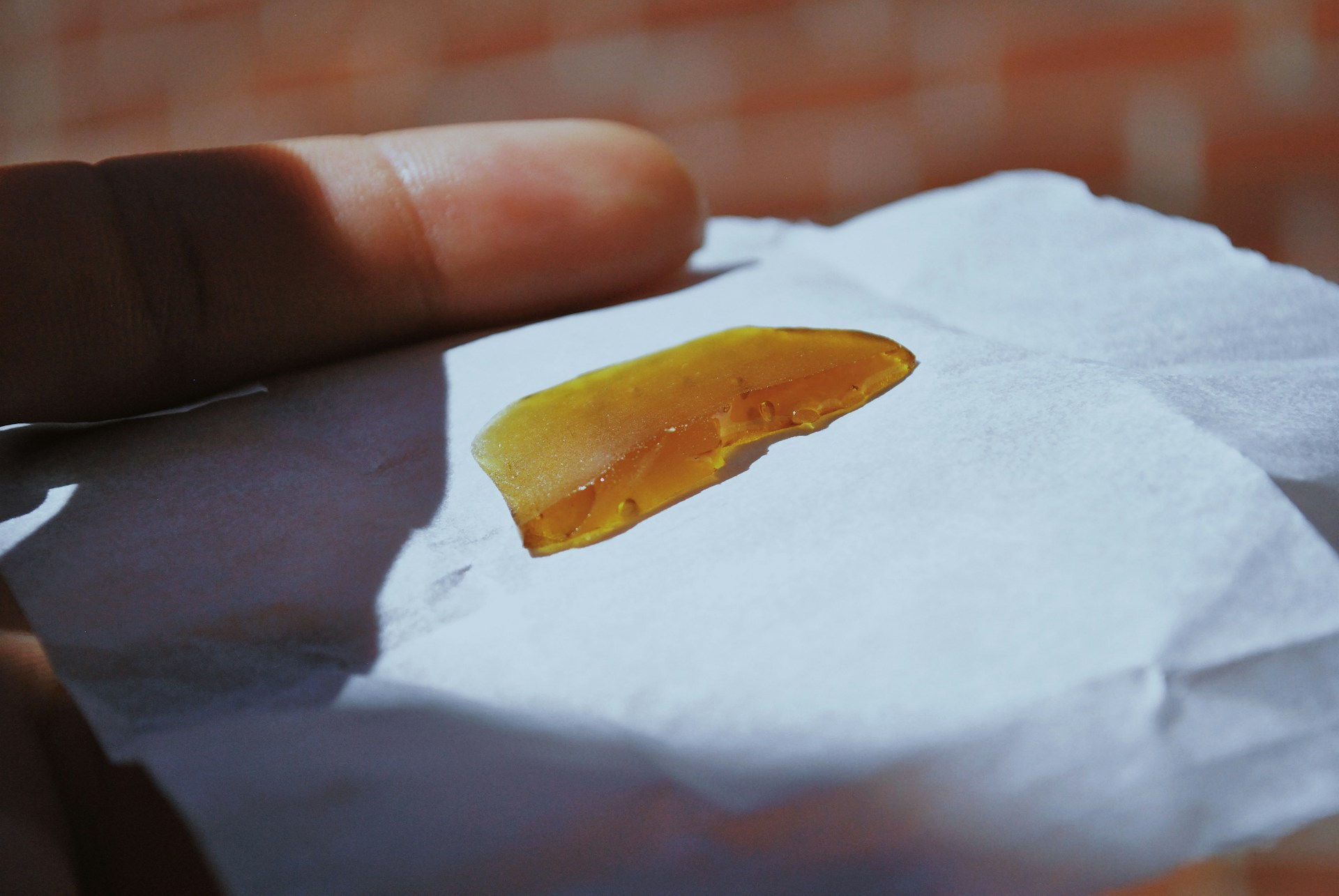
Live resin and rosin get mixed up all the time. The names are close, both show up on concentrate menus, and the price gap can leave you wondering what you’re actually paying for. Is rosin worth the extra cash? What makes live resin different? And what does “live” actually mean?
The biggest difference comes down to how they’re made. Live resin uses solvents to extract compounds from fresh-frozen cannabis. Rosin uses heat and pressure to press the extract out of flower or hash, without extraction solvents. That’s the basic explanation, but there’s more to the comparison than “solvents versus no solvents.” If you’re checking out rosin in Toronto, we’ll break down the differences in flavour, how production affects price, and what’s worth knowing before you pick a jar.
Live Resin vs. Rosin: How They’re Made
Live resin starts with cannabis that’s frozen after harvest, before it goes through the usual drying and curing process. Keeping that material frozen helps preserve the compounds responsible for its smell and flavour. Producers use solvents, commonly butane or propane, to separate the extract from the plant. They then remove the solvents during processing. The result is a concentrated extract that can be finished in different textures or used in products such as vape cartridges.
Rosin takes a different approach: a press applies heat and pressure to flower or hash to squeeze out the extract. With live hash rosin, producers first separate the plant’s resin glands using ice water. Those glands, called trichomes, contain much of the plant’s cannabinoids and terpenes. They’re collected as bubble hash, dried and then pressed. That extra hash-making stage is part of what separates live rosin from rosin pressed directly from dried flower.
The easiest way to keep the names straight is to separate what went into the extract from how it was made:
| Concentrate | Starting material | Extraction method |
|---|---|---|
| Live resin | Fresh-frozen cannabis | Solvent-based extraction |
| Flower rosin | Cannabis flower, usually dried | Heat and pressure |
| Hash rosin | Hash made from dried or fresh-frozen cannabis | Heat and pressure |
| Live hash rosin | Hash made from fresh-frozen cannabis | Heat and pressure |
“Live” refers to fresh-frozen starting material. “Rosin” tells you the extract was pressed without extraction solvents. Put the two together and you get live rosin. Plain flower rosin can come from dried flower, so rosin and live rosin aren’t interchangeable names.
What Makes Live Resin and Rosin Taste Different?
A lot of the flavour conversation comes down to terpenes, the aromatic compounds behind cannabis’s citrusy, earthy, floral and gassy notes. Both live resin and live rosin begin with fresh-frozen cannabis, with the aim of holding on to more of the plant’s original aroma. That gives them something in common before their extraction methods come into play.
The strain still matters. A citrus-heavy live resin and an earthy hash rosin may taste different largely because they started with different plants. Comparing those two won’t tell you that resin always tastes one way and rosin always tastes another. The producer’s handling and processing also affect the finished extract, so there’s room for plenty of variation within each category.
If flavour is your main interest, look for a strain and aroma description you recognise. THC percentage answers a different question: how much THC the product contains. It won’t tell you whether you’ll prefer the taste. A terpene breakdown can add useful detail, but neither percentage can predict exactly how a product will feel for you.
The distinction matters with live resin cartridges too. You’re looking at an extract inside a finished vape product, which may include other ingredients. A jar and a cartridge with similar names can contain different formulations. Read the full ingredient list so you know what’s in each, rather than relying on the words printed largest on the package.
Why Live Resin and Rosin Come in Different Textures
Live resin can come as sugar, sauce or badder. Those names describe consistency: sugar has a grainy look, sauce has a looser, more liquid consistency, and badder is softer and whipped-looking. They’re different finishes within the same broad extraction category, so a wet-looking jar and a buttery-looking one can both be live resin.
Rosin has its own range of textures. Fresh-pressed rosin can look glossy and sticky, while cold-cured rosin often has a softer, more buttery consistency. Cold curing is a finishing stage after pressing, where producers hold the extract under controlled conditions to develop its texture. The word “cold” describes that stage; it doesn’t mean the original extraction happened without heat.
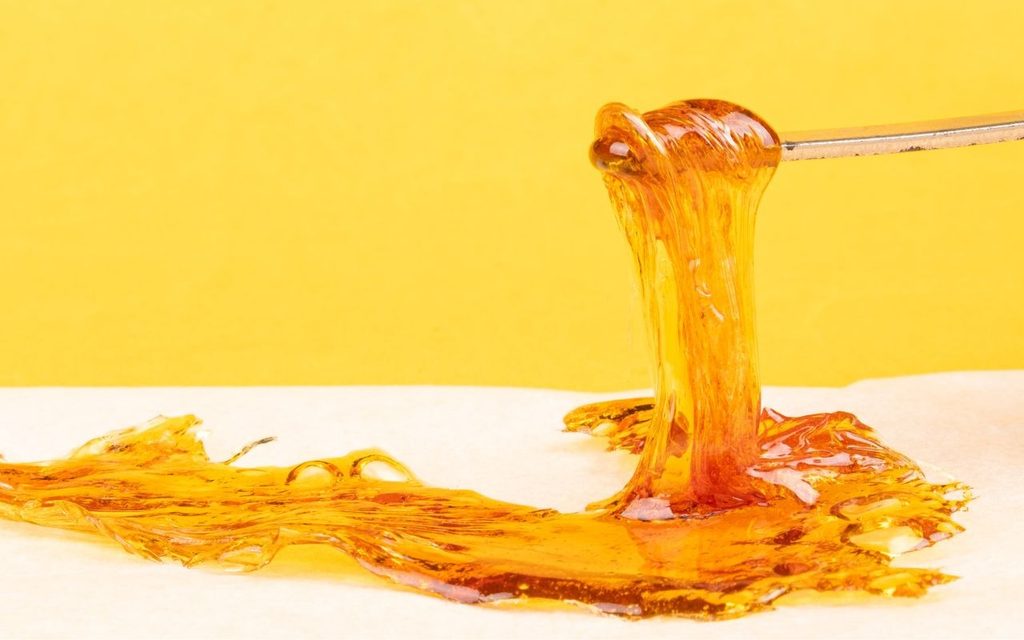
That’s why texture alone won’t settle the resin-versus-rosin question. Both can have a badder-like consistency, and the appearance of one jar won’t tell you how another was made. The extraction name and texture description work together: one explains the production method, while the other tells you more about the finished consistency.
When you compare products, keep those descriptions separate. “Live rosin badder” tells you more than “badder” by itself. You can understand the type of extract and its texture without treating either detail as a promise about strength.
Why Does Live Rosin Often Cost More?
Live rosin often comes with a higher price tag because there’s more work between the harvested plant and the finished jar. Producing bubble hash, drying it and pressing it all take time, equipment and labour. The amount of finished extract a producer gets from the starting material also affects the cost of each gram. When that amount is small, the production cost has to be spread across fewer jars.
Live resin has its own equipment and processing costs, but solvent extraction can be efficient at larger scales. That helps explain why you may find a live resin priced below a live rosin from the same brand. It’s a difference in how the products are made, rather than proof that the cheaper one is badly made.
For a fair price comparison, put similar products side by side. Two one-gram jars are easier to compare than a jar and a disposable vape, where you’re also paying for hardware. If the weights differ, divide the price by the number of grams. A lower sticker price can look less appealing once you realise the package contains less extract.
Whether the extra cost makes sense comes down to what you value. If solventless production matters to you, live rosin’s process explains part of its appeal. If you’re mainly interested in a particular strain or flavour, those details deserve just as much attention as the extraction name. A higher price alone doesn’t establish a stronger effect.
What to Look For on a Concentrate Label
Concentrate names can pack a lot into a few words: the brand, strain, texture, extraction method and weight. Keep the full name together when comparing products. A strain name can appear on flower, jars and cartridges, so it helps to know which format you’re actually looking at.
Take Solvent7ess 1g Live Rosin: you know the brand, the type of extract and how much is in the jar. You’ll still want the ingredients and cannabinoid figures for that particular product, especially if you’re comparing it with something else from the same brand.
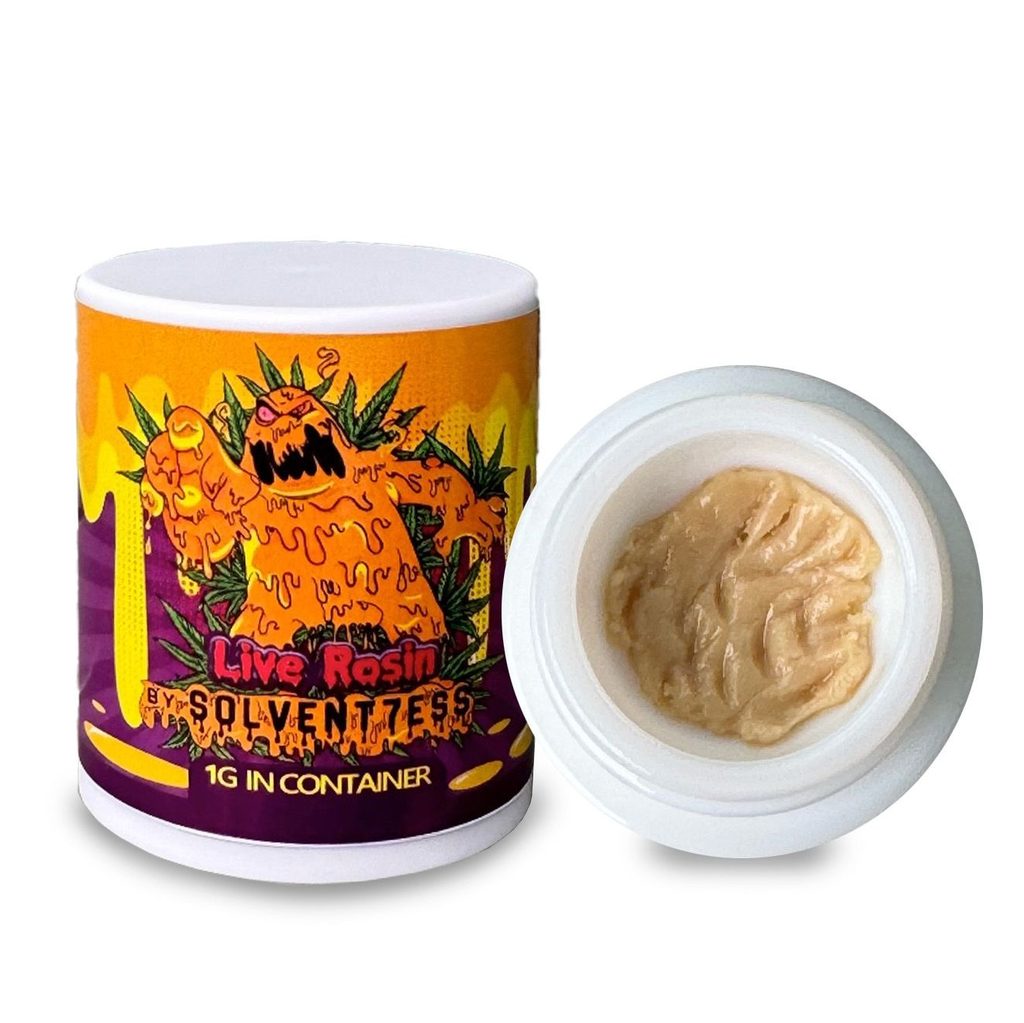
Here are the details worth a closer look:
- Extract type: Live resin, flower rosin, hash rosin and live rosin describe different starting materials or production methods.
- Ingredients: Check what’s in the finished product, particularly with cartridges and blends that may contain more than one extract.
- THC and CBD: Compare the figures and their units together. A percentage and a number in milligrams aren’t the same measurement.
- Net weight and format: Keep the amount of extract separate from the packaging or device it comes in.
- Storage directions: Follow the producer’s instructions for that product so you know how it should be kept.
This also helps you see past broad claims such as “premium” or “pure.” A clearly named extract, ingredient list and cannabinoid figures give you more useful information. “Solventless” describes a production method; it isn’t a blanket safety guarantee.
Shop Live Resin and Rosin at CAFE
Our concentrate range includes live resin, rosin and other extracts, with brands such as Solvent7ess in the mix. If you’re interested in solventless concentrates, its 1g Live Rosin is one example to explore. If live resin is more your thing, browse the available strains and formats alongside it. Keep the product’s own flavour notes and cannabinoid details in view so you’re comparing what’s actually in each package.
You can shop online or visit one of our Toronto locations. For pickup, check the current menu for your preferred store: availability can differ between locations, and the selection at one counter may not match another. That also lets you check the package size and current price before placing an order, rather than relying on a general description of the category.
At I Am Cafe, we’ve got live resin and rosin options to browse online and in store. If you’re 19+, check the current selection at your preferred Toronto location and shop the concentrates that catch your eye.